Wart and viral papilloma removal
Specialist removal of HPV-associated warts and viral papillomas from the face, mouth, and perioral region - with histological confirmation and attention to cosmetic outcome.
Specialist service: This treatment is provided by Ms. Soudeh Chegini, Consultant Oral and Maxillofacial Surgeon, who practises on-site at New Forest Family Dental.
About the procedure
Effective wart removal on the face and in the mouth.
Warts and viral papillomas caused by the human papillomavirus (HPV) can occur around the lips, inside the mouth, and on the face and neck. They can be cosmetically distressing, functionally bothersome, and have the potential to spread if left untreated.
Ms. Chegini offers specialist assessment and removal of these lesions, selecting the most appropriate technique - surgical excision, cryotherapy, or laser ablation - depending on the lesion type, location, and size. All excised tissue is sent for histological analysis.
For facial lesions, particular attention is given to cosmetic outcome, with careful planning of incision placement and fine closure technique.
Why choose us
Specialist removal with cosmetic care.
Definitive removal
Surgical excision provides definitive treatment with histological confirmation of the tissue type and complete removal.
Histological analysis
All removed lesions are sent for pathological examination, confirming the diagnosis and ruling out any co-existing pathology.
Cosmetically sensitive technique
Facial warts are removed with careful attention to cosmetic outcome - minimising scarring and planning incisions thoughtfully.
Multiple methods available
Depending on the lesion type and location, options include surgical excision, cryotherapy, or laser treatment.
Accurate diagnosis first
Before treatment, Ms. Chegini assesses the lesion carefully to confirm it is a wart and that the most appropriate method is selected.
Prevent spread
Prompt treatment reduces the risk of further spread of HPV-related lesions to adjacent skin and mucosal surfaces.
Your procedure
From consultation to clear skin.
- 1
Consultation
Ms. Chegini examines the wart or papilloma, takes a history, and determines the most appropriate treatment method.
- 2
Treatment planning
The options, expected outcomes, anaesthetic requirements, and aftercare are discussed in full before proceeding.
- 3
Local anaesthetic
The area is numbed thoroughly. Intraoral warts and facial lesions are treated under local anaesthetic.
- 4
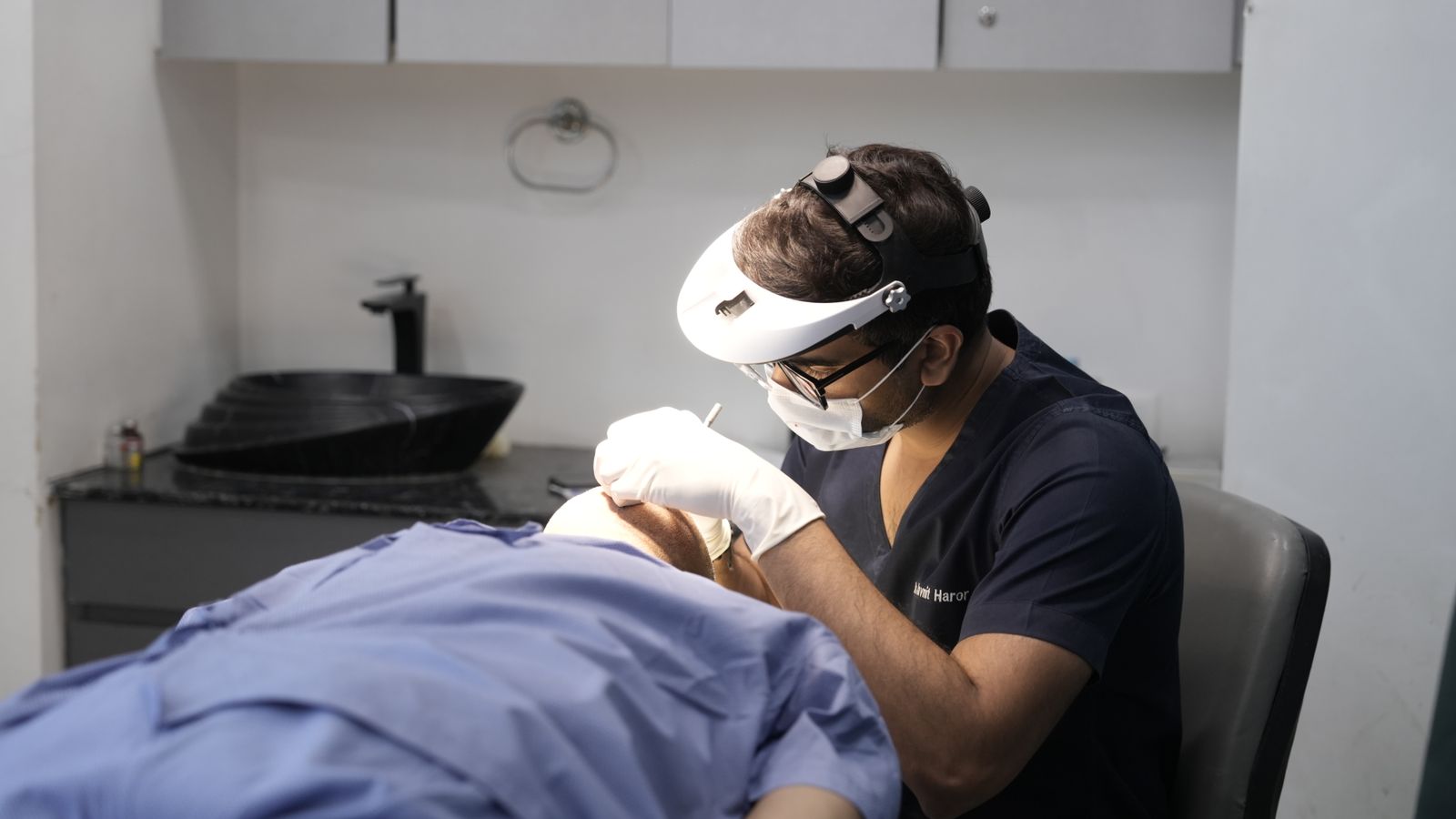
Removal procedure
The wart is removed using the most appropriate technique. Excised tissue is sent to pathology for analysis.
- 5
Wound care
Written aftercare instructions are provided. Sutures are removed at five to seven days for facial excisions.
- 6
Follow-up and review
A review appointment checks healing and confirms no recurrence. Advice on preventing spread is given.
What we treat
Wart types we commonly treat.
- Perioral warts (around the lips and mouth)
- Intraoral viral papillomas
- Facial verrucae and common warts
- Condylomata acuminata (genital warts affecting the perioral region)
- Recurrent viral lesions after previous treatment
- HPV-related lesions in immunosuppressed patients

Ready to be clear?
Book a specialist appointment
Get expert assessment and effective treatment for facial and oral warts with Ms. Chegini.
FAQs
Frequently asked questions.
What causes warts in the mouth and on the face?
Warts are caused by the human papillomavirus (HPV). Different HPV subtypes affect different body sites. Oral and perioral warts can be spread by direct contact, including autoinoculation from warts at other sites.
Can warts come back after removal?
Recurrence is possible because the HPV virus may remain in surrounding tissues even after the visible wart is removed. However, surgical excision with adequate margins gives the best chance of long-term clearance.
Is the procedure painful?
No. The area is numbed with local anaesthetic before treatment. There may be some discomfort in the days following the procedure, but this is usually well managed with over-the-counter pain relief.
How long does healing take?
Facial wounds typically heal within one to two weeks. Intraoral wounds heal more quickly due to the rich blood supply of the mouth. Sutures are removed at five to seven days for facial excisions.
Ready to meet your new dental team?
Same-day appointments available · Denplan members welcome