
Oro-antral fistula repair
Specialist surgical closure of the abnormal communication between the mouth and maxillary sinus - resolving symptoms and protecting your long-term sinus health.
Specialist service: This treatment is provided by Ms. Soudeh Chegini, Consultant Oral and Maxillofacial Surgeon, who practises on-site at New Forest Family Dental.
About the procedure
Closing the gap between your mouth and sinus.
An oro-antral fistula is an abnormal opening that connects the floor of the maxillary sinus to the oral cavity. The most common cause is extraction of an upper back molar tooth - particularly when the roots were closely related to the sinus floor.
Left untreated, an oro-antral fistula causes persistent and distressing symptoms, and dramatically increases the risk of chronic sinusitis and recurrent infection. Surgical closure is usually required once the fistula is established.
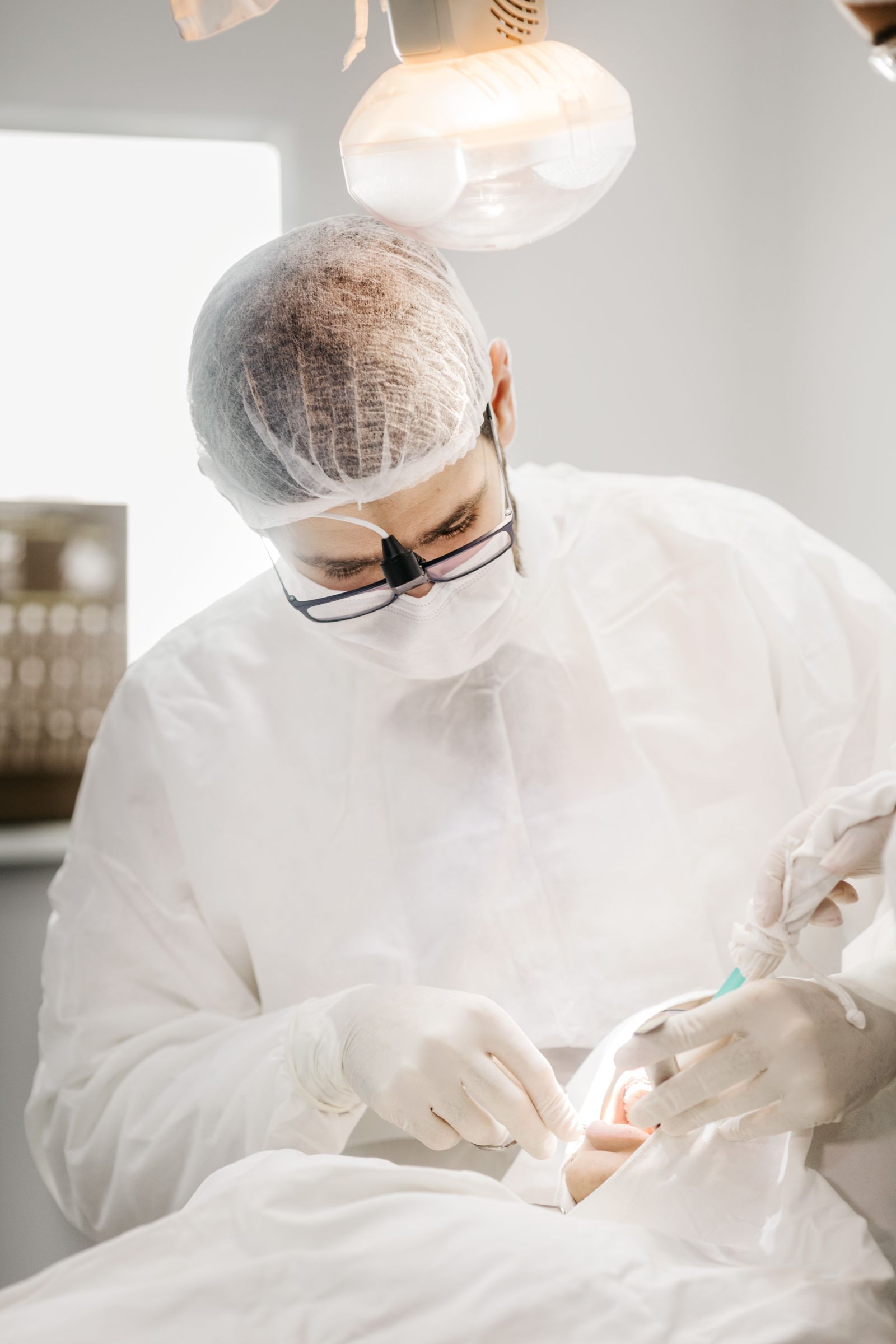
Ms. Chegini performs oro-antral fistula repair using a buccal advancement flap technique, preceded by detailed CBCT imaging to assess the defect and plan the repair precisely. The procedure is carried out under local anaesthetic with sedation available if required.
Why choose us
Specialist repair with definitive results.
Specialist technique
Oro-antral fistula repair requires specialist surgical skill. Ms. Chegini has extensive experience with buccal advancement flap repair and other techniques.
CBCT imaging
3D imaging allows full assessment of the fistula, sinus health, and surrounding bone before planning the most appropriate repair technique.
Prevent sinus complications
An unrepaired oro-antral fistula can lead to chronic sinusitis and repeated infections. Definitive repair protects your sinus health long-term.
Comfortable procedure
The repair is carried out under local anaesthetic. Intravenous sedation is available for anxious patients.
Antibiotic cover
We prescribe appropriate antibiotic cover to reduce the risk of sinus infection in the post-operative period.
Thorough follow-up
Post-operative review ensures the repair has healed correctly and the sinus has returned to health.
Your procedure
From consultation to closure.
- 1
Consultation
Ms. Chegini takes a history of your symptoms, examines the area, and reviews any previous radiographs or surgical records.
- 2
CBCT imaging
3D cone beam CT imaging is arranged to assess the size of the defect, the state of the adjacent sinus, and plan the repair technique.
- 3
Consent and planning
The planned procedure, risks, and aftercare requirements are explained clearly. We discuss what to expect in terms of recovery.
- 4
Surgical repair
A buccal advancement flap or palatal flap is used to close the communication. Sutures are placed and the area is carefully checked.
- 5
Post-operative instructions
You receive written instructions on nasal precautions (no nose-blowing), dietary restrictions, and antibiotic/analgesia use.
- 6
Review
Review appointments will be arranged if clinically indicated to check healing, remove sutures, and confirm successful closure.
Who is it for?
When do you need this procedure?
- Communication between the mouth and maxillary sinus following upper molar extraction
- Persistent symptoms of food or fluid passing into the nose
- Recurrent episodes of sinusitis linked to an oral defect
- Failed previous attempt at closure
- Oro-antral defect related to trauma or surgery

Experiencing symptoms?
Book a specialist consultation
Don't delay if you suspect an oro-antral fistula. Early repair leads to better outcomes and prevents sinus complications.
FAQs
Frequently asked questions.
What is an oro-antral fistula?
An oro-antral fistula (OAF) is an abnormal connection between the oral cavity (mouth) and the maxillary sinus - the air-filled space in the cheekbone. They most commonly occur after extraction of an upper back tooth whose root was closely associated with the sinus floor.
What are the symptoms?
Symptoms include food or fluid passing into the nose when eating or drinking, a whistling sensation when breathing through the nose, chronic post-nasal drip, bad taste, and recurrent sinus infections.
Is surgery always needed?
Very small acute communications (less than 2mm) may close spontaneously with careful management. However, established fistulas - particularly those present for more than two weeks - require surgical repair.
What is the recovery like?
You will need to avoid blowing your nose for three to four weeks after surgery to prevent disrupting the repair. A soft diet is recommended for the first week. Most patients experience only mild discomfort.
Ready to meet your new dental team?
Same-day appointments available · Denplan members welcome