
Eyelid surgery (blepharoplasty)
Specialist upper and lower eyelid surgery - improving both vision and appearance with precise surgical technique and natural-looking results.
Specialist service: This treatment is provided by Ms. Soudeh Chegini, Consultant Oral and Maxillofacial Surgeon, who practises on-site at New Forest Family Dental.
About the procedure
What is blepharoplasty?
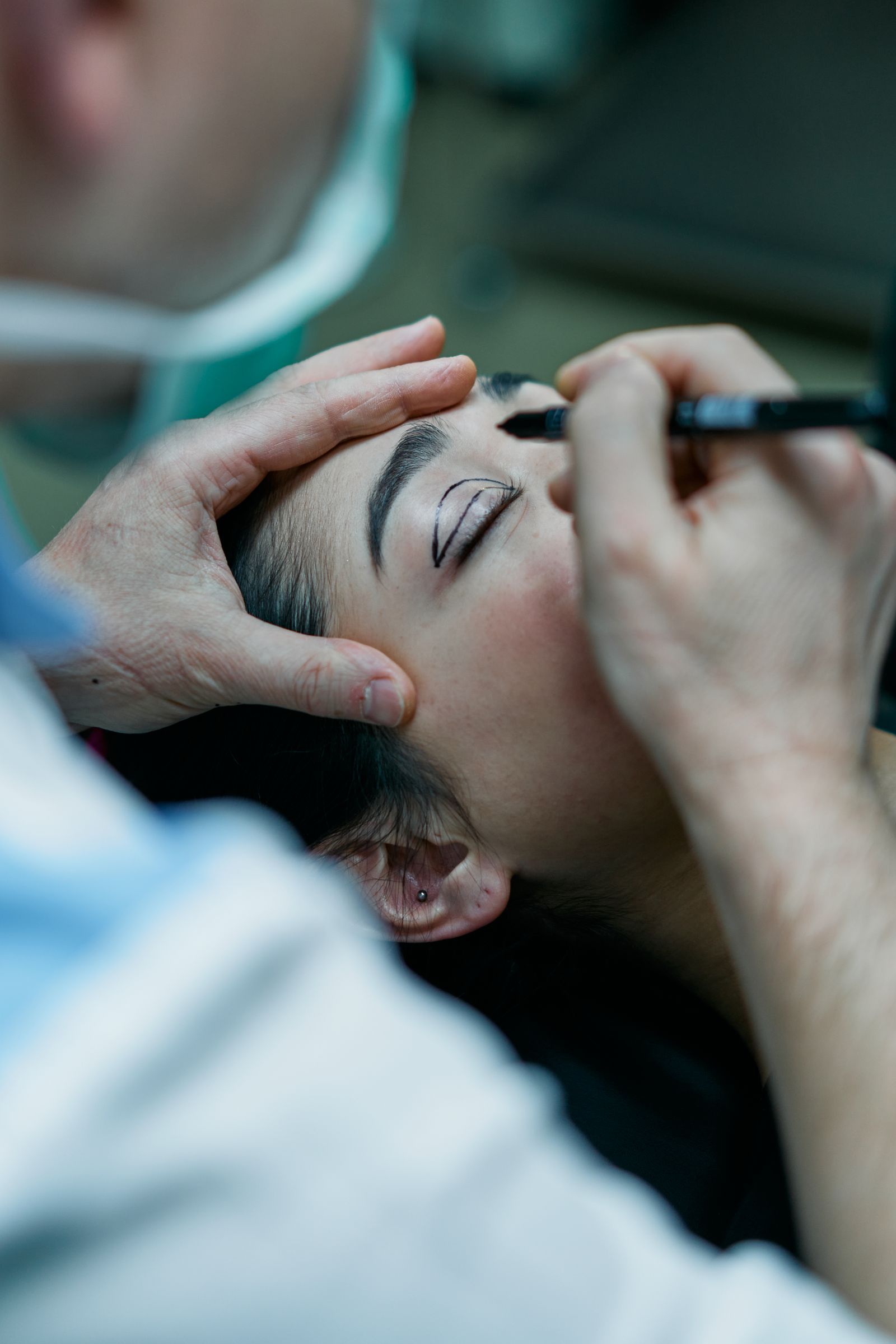
Blepharoplasty is a surgical procedure to remove excess skin, muscle, and fat from the upper or lower eyelids. Upper lid surgery can correct hooded lids that impair vision, as well as improve the appearance of heavy upper lids. Lower lid surgery addresses bags under the eyes caused by fat prolapse.
The procedure is performed under local anaesthetic through incisions placed in the natural lid creases - making scars virtually invisible once healed. Most patients are delighted by the improvement in both their appearance and, where applicable, their field of vision.
Ms. Chegini brings specialist maxillofacial surgical precision to blepharoplasty, with particular expertise in anatomical preservation and achieving natural, non-operated results.
Why choose us
Precision surgery, natural results.
Improve vision
Excess upper eyelid skin (dermatochalasis) can obstruct the visual field. Upper lid blepharoplasty removes this excess and restores clear, unobstructed vision.
Refreshed appearance
Blepharoplasty can remove excess skin, fat, and muscle from the upper and/or lower lids, creating a more alert, rested, and youthful appearance.
Specialist surgical technique
Ms. Chegini performs blepharoplasty with meticulous precision, placing incisions in natural lid creases to minimise visible scarring.
Functional assessment
Upper lid procedures include a formal visual field assessment to document any functional impairment before and after surgery.
Thorough pre-operative planning
Clinical photography, lid measurements, and a thorough discussion of expectations ensure the right procedure and outcome for each patient.
Day-case procedure
Blepharoplasty is performed under local anaesthetic as a day case. Most patients return to normal activities within seven to ten days.
Your procedure
From consultation to clearer, fresher eyes.
- 1
Consultation
Ms. Chegini assesses the eyelids, takes clinical photographs, and discusses the patient's functional and cosmetic concerns.
- 2
Functional assessment
For upper lid procedures, visual field testing documents any restriction in the upper visual field caused by excess lid skin.
- 3
Surgical consent
The procedure, anaesthetic, expected outcomes, limitations, and risks are fully explained before consent is obtained.
- 4
Procedure under local anaesthetic
Excess skin (and fat where appropriate) is removed through incisions placed precisely in the natural lid crease. The wound is closed with very fine sutures.
- 5
Aftercare
Cold compresses, head elevation, and antibiotic eye drops are used in the first few days. Bruising and swelling typically resolve within one to two weeks.
- 6
Suture removal and review
Sutures are removed at five to seven days. Review appointments will be arranged if clinically indicated to confirm satisfactory healing and the final outcome.
Who is it for?
Conditions we address.
- Excess upper eyelid skin (dermatochalasis) restricting vision
- Cosmetic excess upper eyelid skin
- Lower eyelid fat prolapse (puffy bags under the eyes)
- Asymmetric or unequal upper lids
- Post-traumatic lid deformity
- Combined upper and lower lid correction
Interested in blepharoplasty?
Book a specialist consultation
Ms. Chegini will assess your eyelids carefully and give you an honest, detailed opinion on what surgery can achieve for you.
FAQs
Frequently asked questions.
Is blepharoplasty covered by the NHS?
Upper lid blepharoplasty may be funded by the NHS when there is documented visual field impairment caused by excess lid skin. Cosmetic procedures are not NHS-funded. As a private practice, we provide treatment on a private fee basis.
How long is recovery?
Bruising and swelling typically peak at two to three days and resolve significantly within one to two weeks. Most patients feel comfortable going out after seven to ten days. Final results are seen at six to twelve weeks.
Will I have visible scars?
Incisions are placed in the natural upper lid crease (for upper blepharoplasty) or just below the lash line (for lower blepharoplasty), making scars very inconspicuous once healed.
Can upper and lower lids be done together?
Yes. Upper and lower blepharoplasty can be combined in a single procedure, which most patients find very acceptable from a recovery perspective.
What are the risks?
As with all eyelid surgery, risks include temporary dry eyes, asymmetry, small skin cysts (milia) along the scar, and very rarely, inability to fully close the eye. Ms. Chegini will discuss the risks specific to your case at consultation.
Ready to meet your new dental team?
Same-day appointments available · Denplan members welcome