Mouth excisions and biopsy
Specialist removal or sampling of abnormal oral tissue - providing definitive histological diagnosis and treatment in a single, straightforward procedure.
Specialist service: This treatment is provided by Ms. Soudeh Chegini, Consultant Oral and Maxillofacial Surgeon, who practises on-site at New Forest Family Dental.
About the procedure
Why biopsy matters.
Oral biopsies and excisions are performed to obtain tissue for histopathological analysis - the only way to definitively diagnose or exclude serious oral pathology, including oral cancer. When a patch, ulcer, or lesion in the mouth doesn't heal within three weeks, or looks unusual, a biopsy provides a clear answer.
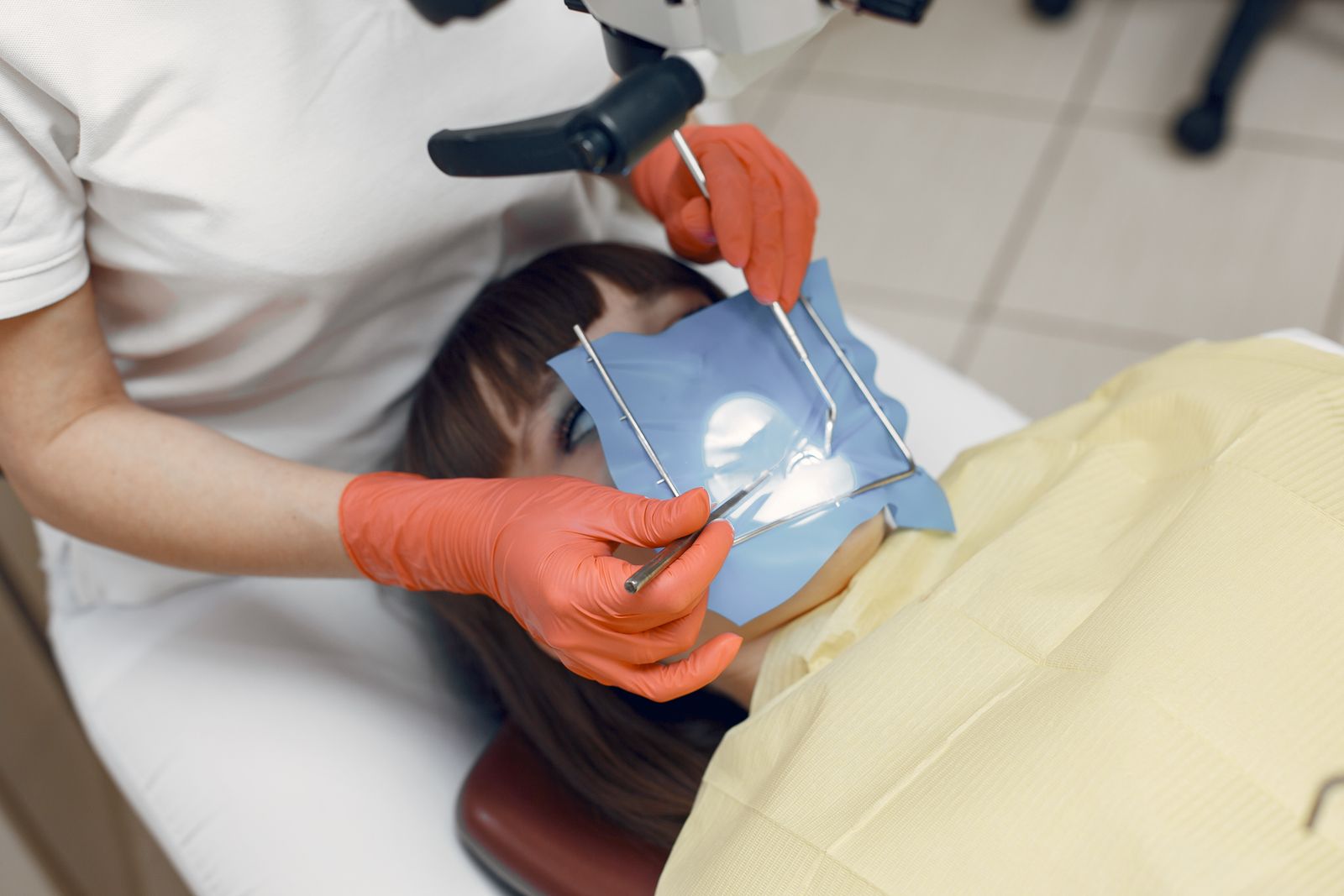
Ms. Chegini performs both excisional biopsies (removing the entire lesion) and incisional biopsies (sampling part of a larger lesion) as well as definitive excision of benign lesions. All procedures are carried out under local anaesthetic on a day-patient basis.
The procedure is quick, comfortable, and gives you the peace of mind of knowing exactly what you are dealing with - and the right treatment if anything is found.
Our approach
Accurate diagnosis, definitive treatment.
Definitive tissue diagnosis
Biopsy provides a histopathological diagnosis that cannot be achieved by visual inspection alone - giving you a reliable, specific answer.
Specialist technique
Ms. Chegini performs biopsies and excisions with precision, minimising tissue trauma and optimising healing and cosmetic outcome.
Rule out serious pathology
A biopsy is the only way to definitively diagnose or exclude oral cancer and pre-cancer. Early diagnosis gives the best possible outcomes.
Accurate sampling
Correct biopsy technique ensures a representative sample is taken from the right site, maximising the diagnostic value.
Prompt pathology reporting
We use specialist oral pathology laboratories to ensure accurate and timely histological reports.
Clear results discussion
We contact you as soon as results are available and arrange an appointment to discuss the findings and next steps.
Your procedure
From assessment to results.
- 1
Consultation
Ms. Chegini assesses the lesion, takes a clinical history, and determines whether excision, incisional biopsy, or brush cytology is most appropriate.
- 2
Consent
The procedure, its purpose, and what the biopsy involves are fully explained. You are given the opportunity to ask questions before consenting.
- 3
Local anaesthetic
The area is thoroughly numbed using local anaesthetic. The procedure itself is painless.
- 4
Biopsy or excision
The tissue sample or lesion is removed carefully and sent to a specialist oral pathology laboratory for histological analysis.
- 5
Wound closure
Sutures are placed where needed. The procedure typically takes 15 to 30 minutes. Aftercare instructions are provided.
- 6
Results and follow-up
Results are typically available within one to two weeks. We discuss the findings with you and plan any further treatment if required.
Who is it for?
Lesions we commonly assess.
- White patches (leukoplakia) in the mouth
- Red patches (erythroplakia)
- Mixed red and white lesions
- Persistent oral ulcers not healing after three weeks
- Suspicious pigmented lesions
- Oral papillomas, warts, or polyps
- Salivary gland lesions
- Any lesion of uncertain diagnosis

Concerned about a lesion?
Book a specialist assessment
Any persistent oral lesion deserves a specialist opinion. Don't wait to seek advice.
FAQs
Frequently asked questions.
What is the difference between an excisional biopsy and an incisional biopsy?
An excisional biopsy removes the entire lesion for analysis - both diagnostic and potentially curative if the lesion is small and completely removed. An incisional biopsy takes only a representative portion of a larger lesion for diagnosis. Ms. Chegini will recommend the most appropriate approach for your lesion.
How long does the procedure take?
Most biopsies and small excisions are completed in 15 to 30 minutes. The procedure is performed under local anaesthetic as a day case - you can go home immediately afterwards.
How long until I get my results?
Histopathology results are typically returned from the laboratory within one to two weeks. We will contact you as soon as they are available.
What happens if the biopsy shows something serious?
If the results indicate a malignancy or high-risk pre-malignant change, we refer you via the urgent (two-week wait) pathway to the appropriate specialist team without delay. Early diagnosis is the most important factor in a good outcome.
Will there be a scar?
Small excisions in the mouth heal very well due to the rich blood supply. Most patients find any scarring is minimal and not noticeable.
Ready to meet your new dental team?
Same-day appointments available · Denplan members welcome